Showing posts with label Kallang. Show all posts
Showing posts with label Kallang. Show all posts
Monday, April 9, 2012
Sunday, January 8, 2012
Monday, July 11, 2011
Friday, September 18, 2009
Hey Singaporeans, is this how you treat your own living environment?
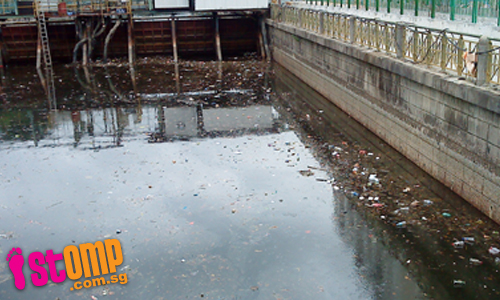
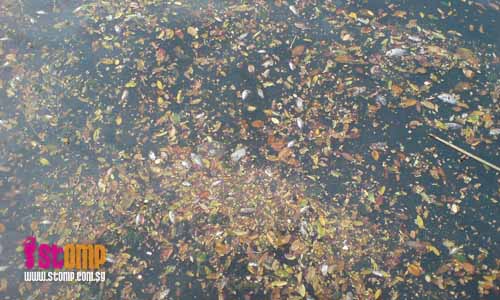
STOMPER Kim Yong was appalled when he saw so much non-biodegradable trash at this Old Airport Road water passage area.
In an email to STOMP today (Sept 18), the STOMPer says:
"This picture taken at Old Airport Road, next to the North Light School, shows so much non-biodegradable trash in the river.
"I wish Singaporeans can learn to be more civic-minded and conscious of their own living environment."
That is probably Sungei Geylang, which empties into the Kallang Basin, which in turn forms part of the Marina Reservoir.
Seriously, when will people figure out that their thoughtless actions ultimately affect our water supply?

Monday, September 7, 2009
Whether it's for a romantic date or shade, there's a tree trunk for every occasion

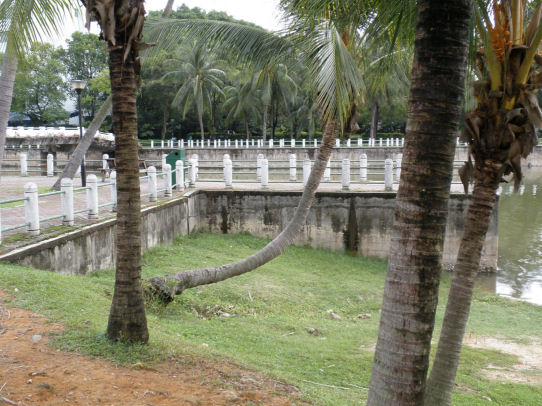
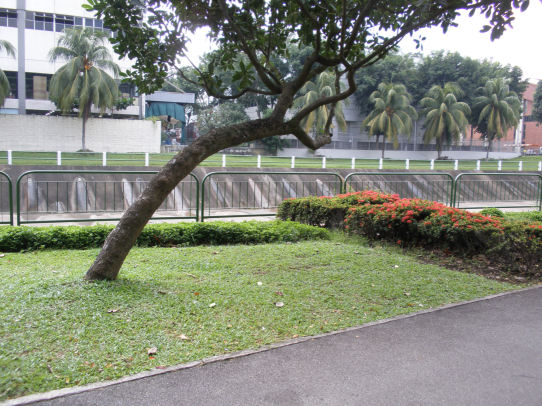
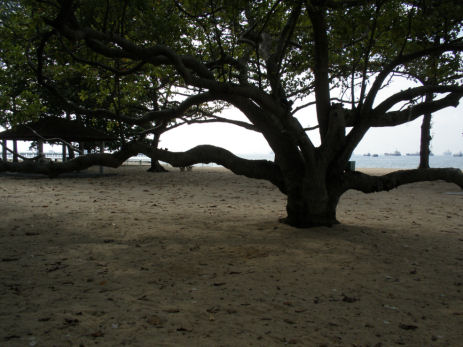
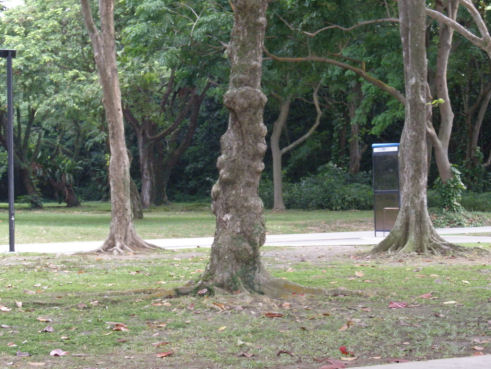
Even nature is ergonomical. These tree trunks from various parks in Singapore show how they are designed to fit any occasion, from a romantic date to a leisure outing.
STOMPer Park Lover, the photographer of these photos, said:
"The first picture was taken at the Kallang Riverside Park. This coconut tree has a concave trunk and many courting couples like to sit here to watch the canoeists paddling by.
"The second picture was taken at the Ulu Pandan PCN and this tree has a convex trunk.
"The next two pictures were taken at the East Coast Park and the first tree has a lot of warts on its trunk (photo 3) and the second tree (photo 4) has low branches for people to sit and get some shade from the hot afternoon sun."
EDIT: How weird, this post has been removed from STOMP.
Tuesday, July 21, 2009
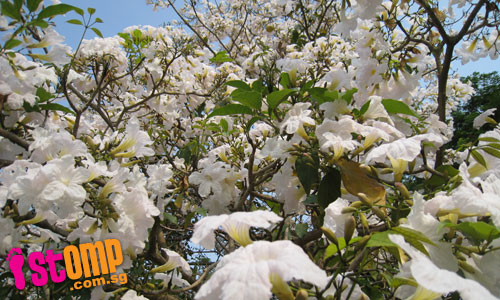
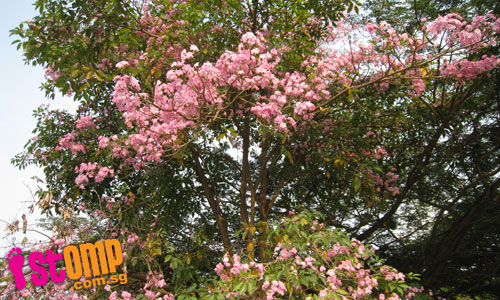
Cherry blossom-like trees along Geylang River
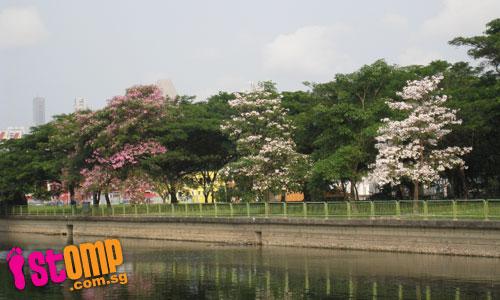
These cherry blossom-like trees were spotted along Geylang River by STOMPer Lee Hock Seng who hopes that NParks would plant more of these trees so that Singaporeans can enjoy its beautiful blooms.
In an email to STOMP today (July 21), the STOMPer wrote:
"These cherry pink and blossom white trees are situated beside Geylang River, at Jalan Benaan Kapal.
"NParks should consider planting more these type of trees beside rivers and parks, so Singaporeans can enjoy the sight.
"This can even become a tourist attraction, like the cherry blossom season in Japan."
Related posts: Cherry blossoms do happen in S'pore...at least something like it (9th April 2009)
Beautiful pink flowers in Jurong resemble cherry blossoms (16th March 2009)
Beautiful pink and white flowers at CCK cemetery- Is it sakura? (27th February 2009)
I guess it was the spate of hot weather that we'd been having recently, which was followed by heavy rain. I do remember seeing quite a number of roadside trees in flower, and the various flowering bushes and other ornamental plants in the planters in front of my block were also in full bloom over the weekend.
Wednesday, July 1, 2009
So many dead fish washed ashore near The Oasis in Kallang
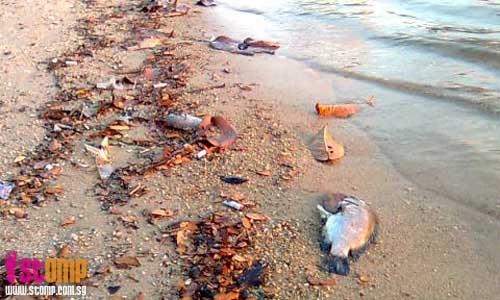
The sight of so many dead fish on the shoreline near The Oasis at Kallang surprised STOMPer Ricky. He says that these fish are Tilapia, a species that is normally very resistant to pollution.
Here's what the STOMPer had to say:
"I was watching the sunset today (July 1) at about 7:00 pm near The Oasis in Kallang.
"I spotted so many dead fish washed up along the shore there. This is not normal.
"The fish are Tilapia, which are usually very strong fish that do not die easily. This means that the water must be very polluted in order to kill them.
"I hope the relevant authorities will look into the matter soon."
Related Stories:
Marine life destoyed by massive pollution at Kranji Reservoir
Api Api River is now too polluted for fishing
Dead fish at Kranji beach: Poisoned by polluted waters?
Related posts: Why so many dead fish in Rochor River? (10th February 2009)
Dead fish clog this waterway near Toa Payoh flyover (29th January 2009)
I wonder if other forms of aquatic life are dying off as well, or if only tilapia (Oreochromis spp.) are being affected.
Wednesday, March 4, 2009
Foam river in Toa Payoh North Canal
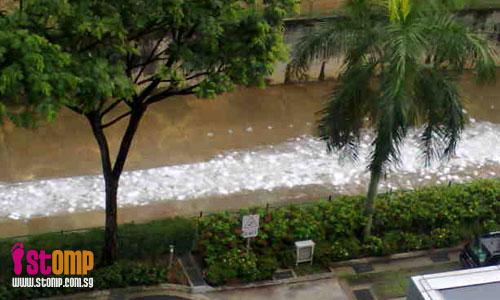
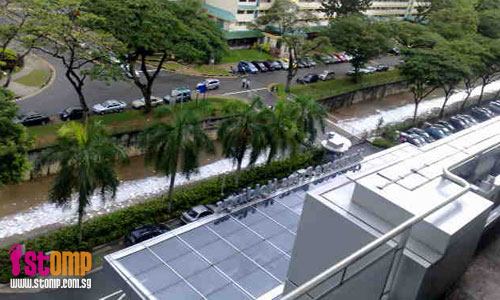
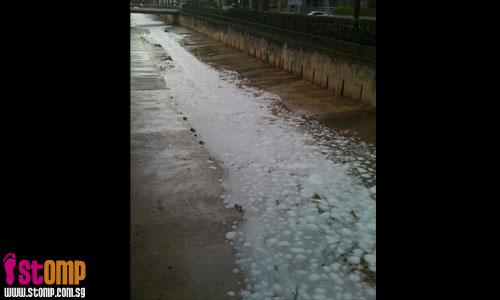
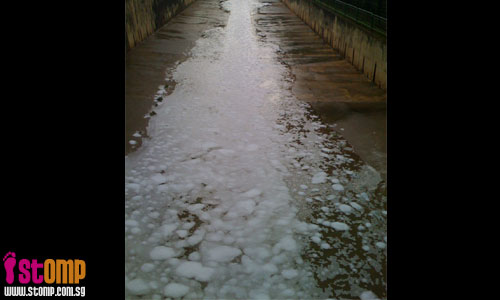
The canal at Toa Payoh North became a foam river for a while yesterday (March 3).
The STOMPer, who sent in this video, is curious as to why there is foam in the water and where the foam is coming from.
He asks in an e-mail:
"Wonder where this foam is coming from?"
Others who noticed the strange occurrence have also suggested that the foam might have come from a factory nearby. One STOMPer Rachel also wonders if the foam might be chemically unsafe.
What do you think? Let us know.
Related stories:
It's foam, foam, foam in this canal in Toa Payoh North
Foam in drain: Result of industrial waste?
Do check out the video posted on STOMP.
Related posts: Foam in drain: Result of industrial waste? (3rd March 2009)
It's foam, foam, foam in this canal in Toa Payoh North (3rd March 2009)
Why so many dead fish in Rochor River? (10th February 2009)
Water in Clementi canal turns bright blue (7th February 2009)
Dead fish clog this waterway near Toa Payoh flyover (29th January 2009)
Tuesday, March 3, 2009
Foam in drain: Result of industrial waste?
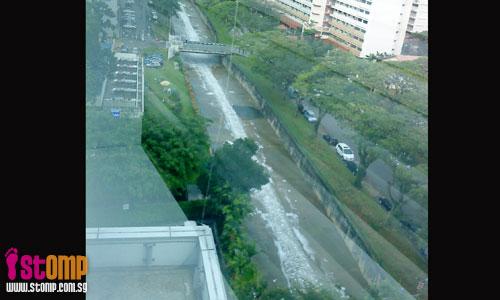
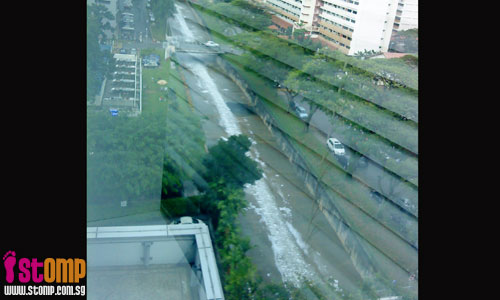
STOMPer Rachel wonders why there was so much foam floating in this drain, which is located in Toa Payoh, today.
She suspects that it might be the result of industrial waste from the factories nearby.
She says:
"These pictures were taken this afternoon at around 12.45pm.
"I'm wondering what the foam is doing inside the drain?
"Is it industrial waste?"
"I just had another look outside the window at about 1.30pm and the drain is clear now."
Related story:
Is this chemically unsafe foam?
Related posts: Foam river in Toa Payoh North Canal (4th March 2009)
It's foam, foam, foam in this canal in Toa Payoh North (3rd March 2009)
Why so many dead fish in Rochor River? (10th February 2009)
Water in Clementi canal turns bright blue (7th February 2009)
Dead fish clog this waterway near Toa Payoh flyover (29th January 2009)
Is this chemically unsafe foam?
UPDATE: The title of the post has been amended to It's foam, foam, foam in this canal in Toa Payoh North
Related posts: Foam river in Toa Payoh North Canal (4th March 2009)
Foam in drain: Result of industrial waste (3rd March 2009)
Why so many dead fish in Rochor River? (10th February 2009)
Water in Clementi canal turns bright blue (7th February 2009)
Dead fish clog this waterway near Toa Payoh flyover (29th January 2009)
If I'm not wrong, the large canal in the Toa Payoh North area drains into the Kallang Basin. I don't know if the foam is due to natural processes or human activity, but it definitely is a cause for concern. Given the frequency of such incidents, somehow I have a feeling that the ability of the Marina Reservoir to serve as an urban water catchment will be less than optimal.
STOMPer Darren was at a bridge near Toa Payoh North facing the housing estate when he saw this pool of foam floating in the canal.
The foam had a distinct smell unlike the usual soap.
He tells STOMP:
"I was at the bridge outside the SPH HQ in Toa Payoh, facing the housing estates when I saw this pool of foam floating on the canal.
"There is a distinct smell coming from the canal, and it's certainly not soap.
"While I don't sense or see any danger from the smell, the sheer amount of foam floating there is disturbing, especially if the chemical content is unknown."
Related Story:
Foam in drain: Result of industrial waste?
Related posts: Foam river in Toa Payoh North Canal (4th March 2009)
Foam in drain: Result of industrial waste (3rd March 2009)
Why so many dead fish in Rochor River? (10th February 2009)
Water in Clementi canal turns bright blue (7th February 2009)
Dead fish clog this waterway near Toa Payoh flyover (29th January 2009)
If I'm not wrong, the large canal in the Toa Payoh North area drains into the Kallang Basin. I don't know if the foam is due to natural processes or human activity, but it definitely is a cause for concern. Given the frequency of such incidents, somehow I have a feeling that the ability of the Marina Reservoir to serve as an urban water catchment will be less than optimal.
Tuesday, February 10, 2009
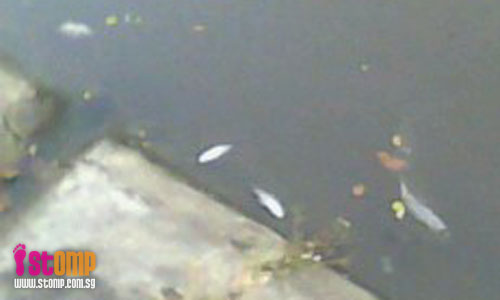
Why so many dead fish in Rochor River?
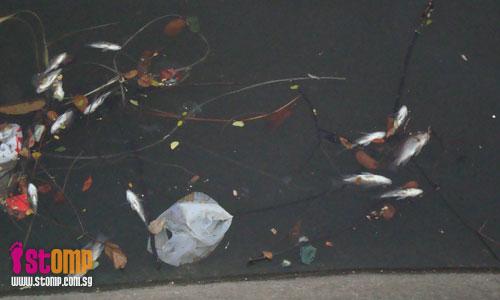
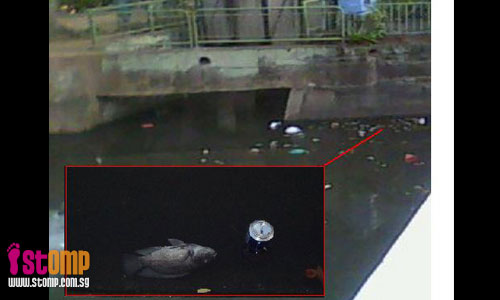
STOMPer Chan wonders why there were so many dead fish in Rochor River when he went there yesterday (Feb 10).
He said:
"Yesterday (Feb 8), I passed by the Rochor River and found many dead fish floating along the river.
"On weekends, many people go fishing there.
"Can the fish caught be eaten?"
Related Post: Dead fish clog this waterway near Toa Payoh flyover (29th January 2009)
I'm sure there is nothing that can stop people from consuming fish caught from Rochor River. It's more about whether the fish should be eaten in the first place; who knows what pollutants might have accumulated in the bodies of these fish.
Besides, I think the cleanliness of the water is a far greater concern. After all, the Rochor River drains into the Kallang Basin, which forms part of the Marina Reservoir.
My guess is that this mass death is a result of the hot and dry weather we've been experiencing lately, which would have led to a drop in the level of dissolved oxygen. In our concretised canals and rivers, the high temperatures and lack of oxygen would prove to be a lethal combination even for the hardy fish species commonly found in our urban waterways.
Thursday, January 29, 2009
Dead fish clog this waterway near Toa Payoh flyover
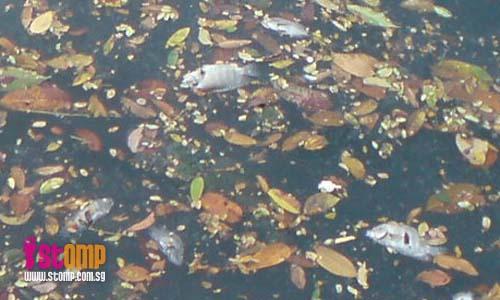
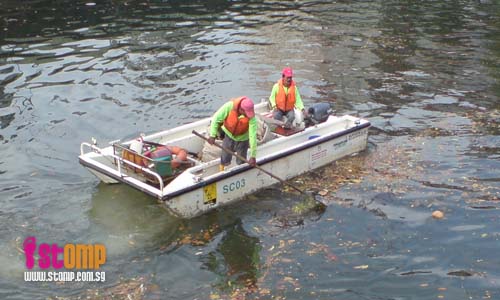
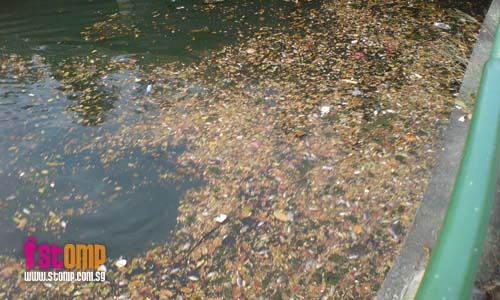
A STOMPer was told her sister had noticed a foul odour while waiting for a bus in front of Block 161 Toa Payoh near the flyover. She soon discovered a nearby waterway was full of dead fish.
Here's what she had to say:
"I took these pictures today (Jan 29) at about 9.30 am.
"While waiting for a bus my sister had noticed a rotting stench. For a moment she had thought there might have been a dead body nearby!
"She looked into the nearby waterway and discovered workers clearing the area of dead fish.
"A worker nearby told me that the the problem was happening all along the waterways in the area, from Thomson to Towner Road, and even all the way to the Geylang area.
"It seems all of the fish that are dying are also of the same species.
"I wonder what the source of the pollution is. There appears to have been construction nearby, maybe that's the cause of the problem."

So much for the Public Utilities Board (PUB) and its ABC Waters Programme...
The fish involved appear to be tilapia (Oreochromis spp.), of which 3 species are known to occur locally; these are the blue tilapia (Oreochromis aureus), Mozambique tilapia (Oreochromis mossambicus) and Nile tilapia (Oreochromis niloticus). These species are also known to hybridise with one another, both in captivity and in the wild. In fact, the popular red tilapia that is bred on fish farms throughout the region is a hybrid between the Nile tilapia and Mozambique tilapia. Originally native to much of Africa, and parts of the Middle East, various species of tilapia have been introduced for aquaculture and fisheries throughout the tropics, and have established populations in every continent except Antarctica.
Ordinarily, these fish are extremely hardy, able to survive in our urban waterways. They thrive even in concretised monsoon drains and canals, habitats which present very harsh living conditions that most of our local fish cannot cope with. However, there are occasions when entire shoals of tilapia suddenly die en masse, which is a cause for concern, since these incidents may indicate that the cleanliness of our waters has been compromised.
The cause of this particular mass death could be due to various reasons. I think it is likely that for one reason or another, the waters underwent hypoxia, killing the fish. As to what triggered the depletion of dissolved oxygen, one can only guess. Possible causes include hot weather, or eutrophication due to an overabundance of algae or phytoplankton. There might be pollution, which would be quite serious if it is capable of killing tilapia in large numbers. Finally, it is possible that there is a virulent disease or deadly parasite sweeping through the tilapia population in the area. Without any actual analysis of the water, it is difficult to extrapolate further.
What worries me is that the area affected is situated relatively close to our Central Catchment Area. Also, it is drained by the Kallang River, which flows into the newly-completed Marina Reservoir. If pollution is the cause of this die-off, it does have serious implications for the management of our water supply. At this point, the former mouth of the Singapore River is still undergoing the transition from brackish water to freshwater, but in future, if pollution occurs upstream, it could contaminate the entire reservoir. It is essential to bear in mind that any form of pollution occurring at any point along the Kallang River and Singapore River could affect the entire reservoir.
I think the most likely scenario was that this die-off was more due to natural causes, a spell of hot weather and consequently low dissolved oxygen content making the waters temporarily inhospitable to aquatic life. Even so, the importance of safeguarding the health and cleanliness of our watersheds simply cannot be overstated.
Update: Mystery over dead fish in canal (30th January 2009) (Mirror)
Related post: Why so many dead fish in Rochor River? (10th February 2009)
Subscribe to:
Posts (Atom)